
.jpg?width=30&name=larry%20(1).jpg)

The House Ways and Means Committee has just put out a new version of their energy bill, H.5151, which is expected to be voted on by the full House this Thursday. This bill, while a massive improvement over what left the House Telecommunications Utility and Energy Committee in November, is still a mixed bag. Though it removes many of the previous bill’s worst provisions and improves consumer protections for electricity customers, it would still impose draconian cuts on the Mass Save program. Yet again, we need you to take action by calling your representative!
Some Improvements
Among the provisions that have been removed from this bill are ones that would have cut the Renewable Energy Standard (which supports wind and solar projects), opened the way to requiring electricity customers to pay for new gas pipelines, prevented Mass Save from considering greenhouse gas emissions when deciding what actions to take, and opened up the state to lawsuits anytime it tried to use regulations to reduce greenhouse gas emissions. We are glad to see these provisions taken out.
In another positive development, the bill also contains provisions that would protect residential customers from the predatory third-party suppliers who overcharged ratepayers by $81 million in 2024 alone. While this bill does not ban these companies, it would significantly reduce the amount of harm they can do, particularly to low-income households. For example, it would allow cities and towns to “opt-out” of allowing third-party suppliers to enroll residential customers. Municipal aggregations would be able to continue as they have been.
Unacceptable Cuts to Mass Save
The worst part of the bill would cut $1 billion from Mass Save’s current three-year budget. This essentially cuts Mass Save's remaining funds for the second half of 2026 and 2027 by 44%. This budget cut will dramatically reduce support for heat pump installations and weatherization. Less support for heat pumps and weatherization would not only harm the Commonwealth’s ability to reduce its building emissions but also make it harder for folks to access efficiency measures, like insulation, which can reduce their energy bills. And at a time when the Commonwealth’s employment picture is not looking good, this cut to Mass Save will result in layoffs to workers in the energy efficiency and heat pump industries.
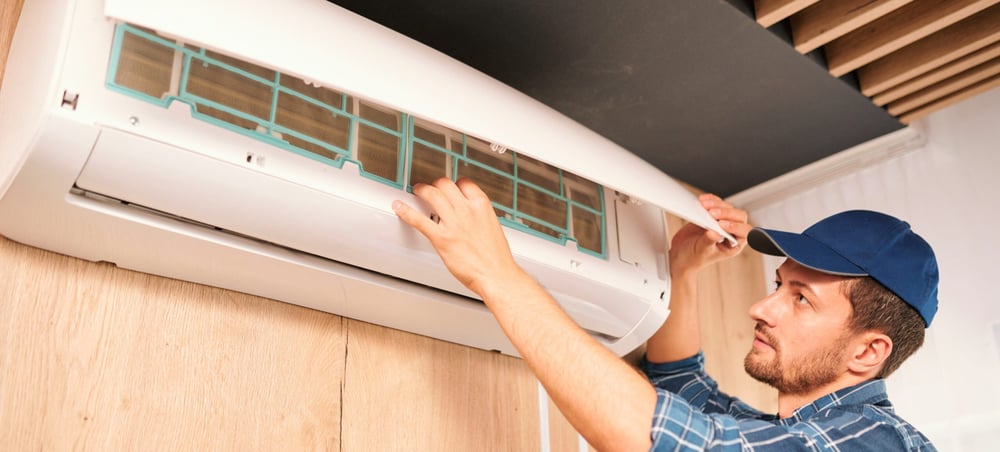
And just a reminder: the current Mass Save budget started at $5 billion for the three years of 2025-2027 and was approved by the Energy Efficiency Advisory Council. The Department of Public Utilities subsequently reduced the budget to $4.5 billion. This legislation would cut the 2025-2027 budget to $3.5 billion, with that $1 billion cut coming from the last eighteen months. We trust the EEAC and the DPU’s diligence and do not understand why the House would find such a cut to be good for Massachusetts.
Opportunities Missed
While the Ways and Means version is vastly better than the legislation proposed in November (because thousands of people like you contacted their representatives), it still does not adequately address the real drivers of high energy costs – utility profits, utility overspending on gas infrastructure, and the rising cost of natural gas, which affects both electricity and gas supply rates.
Contact Your Lawmaker
If you want to help protect the good parts of this bill and remove the bad parts, please take three minutes to call or email your State Representative (you can find their number here) and give them a simple message like:
Hello, I’m [your name]. I live in [town], and I am calling to ask you to oppose Section 69 of the energy bill, which would cut Mass Save’s budget, and support Sections 14, 21, 25, and 26, which would protect residential customers from predatory third-party suppliers.
What Happens Now?
Sometime after the energy bill passes the House (assuming it does on Thursday), the Senate will release its own version of the bill. Once the Senate passes its bill, the two chambers will meet in a conference committee to work out what is likely to be substantial differences between the two bills. As of today, we do not know when a Senate bill will materialize.
If you have questions, please email Carrie Katan at Carrie@GreenEnergyConsumers.org.
Comments