

Last night, Thursday, the Massachusetts House passed H.5151, the latest iteration of its energy affordability bill. While we strongly oppose its proposed cut to Mass Save, overall, this bill is a massive improvement, both in terms of its impact on the climate and energy affordability, over the first version put out by the House Telecommunications Utility and Energy Committee back in November. Thanks to everyone who reached out to their lawmakers in opposition to that legislation, the Representatives who pushed back against pro-fossil fuel policies, and the hard work of House Ways and Means leadership and staff, many of the worst provisions originally in the bill, such as a pipeline tax, were removed.
Here is a summary of many of the best and worst provisions in this 100+ page bill.
The Good
Third-Party Suppliers
Overcharging by third-party electric suppliers has plagued the residents of the Commonwealth for years. That’s why it's a major victory that this bill overhauls how these companies are regulated. These changes include: giving municipalities the ability to ban suppliers, reforming the "purchase of receivables" system, protecting low-income customers, stopping contract exit fees, and cracking down on greenwashing. While these measures fall short of a full ban on suppliers selling to residential customers, which advocates like us have asked for, these changes are a massive step forward.
Data Centers
In recent years there has been a growing concern that the buildout of power-hungry data centers would increase electricity bills in New England like they already have in a number of Mid-Atlantic states. Thanks to an amendment to the bill added last night, this legislation would take steps to prevent data centers from increasing other customers’ electricity bills by requiring the creation of a data center tariff and mandating that data centers procure clean energy to meet their power needs.
Solar Power
This bill does a lot to encourage the deployment of solar panels, including streamlining permitting, raising the amount of net-metered solar that can be within a town, and allowing the use of balcony, or plug-in, solar.
Clean Energy Procurement
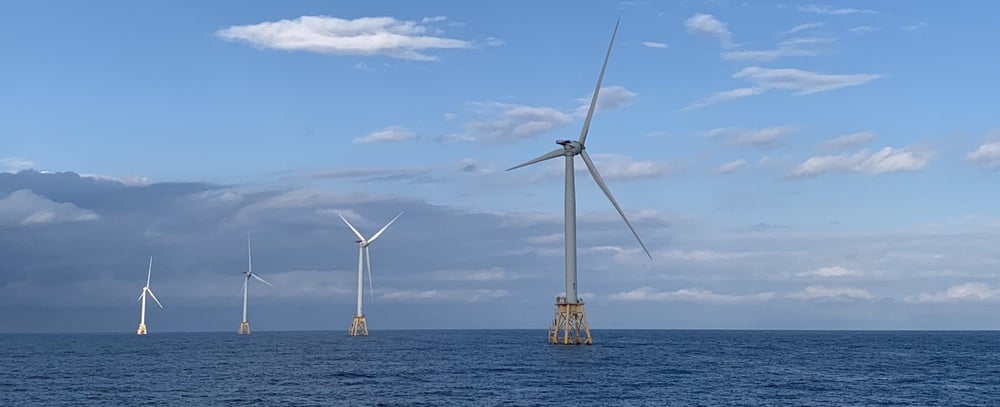
This bill would also give the Department of Energy Resources the ability to sign long-term contracts for renewable energy credits (RECs) from clean energy projects. This has the potential to benefit both clean energy developers, by giving them a steady source of revenue for their prospective projects, and electricity consumers, by bringing more clean generation online, which would bring down electricity prices. The important change here is that we would no longer depend upon the utilities for clean power procurement.
The “We Would Prefer Not to Have”
Alternative Compliance Payments
When electricity suppliers can’t get enough renewable energy credits to meet the state’s clean energy requirements, they are required to make alternative compliance payments. These payments have historically either been spent on clean energy programs or are sent back to ratepayers. This bill would require 70% of these payments to go back to ratepayers in most instances, reducing the state’s ability to fund programs such as municipal clean energy projects and heat pump installation training programs. We would rather see that money invested in clean energy that makes energy more affordable over the long run.
The Really Bad
$1 Billion Cut to Mass Save
By far the most troubling provision in the House bill is a proposed one billion dollar cut to Mass Save’s current three-year budget. Because this cut is required to come from the current three-year budget and we are likely to be roughly halfway through the current budget period (which started in January 2025) before any legislation becomes law, this cut would represent a roughly 40-50% reduction in Mass Save’s funding for late 2026 and 2027.
This draconian cut would endanger not only the Commonwealth’s climate goals but also many of the jobs of the 76,000 people who work in the state’s energy efficiency and clean heating industries. Lawmakers describe this cut as a “pause” while they re-evaluate the program, but Mass Save is powered by its worker force, and we cannot expect them to pause working for a year. Even if the cut is temporary, the damage it would do to Mass Save’s ability to function and worker’s trust in the state would be lasting.

What Happens Next?
Now that things are wrapped up in the House, the Senate is expected to put out its own bill. Making sure that the Senate's legislation is pro-climate will be necessary if we are to have a chance at preventing the Mass Save budget cut and dealing with the problems in the state’s gas infrastructure, something that was largely left out of the House bill. Once that chamber passes its own legislation, likely at some point this spring, there will be a conference committee to work out the differences between the House and Senate bills.
We will keep you posted as the process goes on!
Comments