

The Environmental Protection Agency (EPA) repealed its own “endangerment finding,” fundamentally destroying the federal government’s ability to regulate greenhouse gas (GHG) emissions. This move is a huge abdication of responsibility by the federal government to protect the health and well-being of people across the country and will fundamentally change how the fight against climate change continues in this country. But all is not lost: there is still so much we can do.
What is the Endangerment Finding?
The Clean Air Act tasks the EPA with regulating pollutants that endanger the environment and harm public health. Back in 2009, the EPA ruled – after years of scientific analysis and review – that GHG do in fact meet this requirement, and that therefore the EPA must regulate GHG emissions. (This followed a lawsuit, Massachusetts v EPA, which led the Supreme Court to rule in 2007 that the EPA did in fact have the authority to do so.) This so-called “endangerment finding” led to new regulations of power plants, vehicles, and industry that formed the underpinning of the federal efforts to fight climate change.
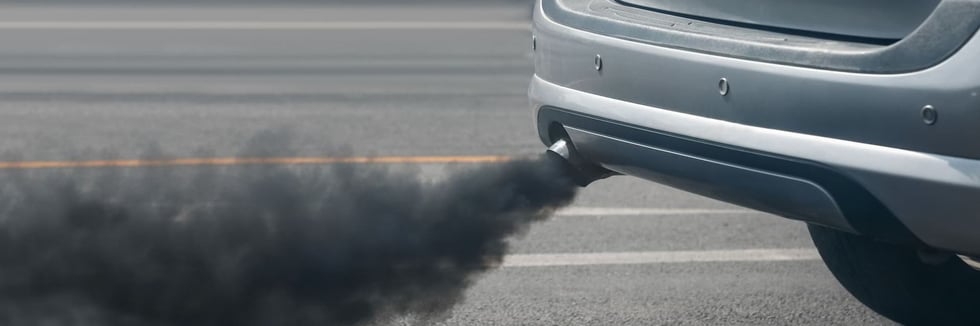
Now, the Trump administration’s EPA has rescinded that rule. For those of us following along and tallying the environmental and public health harms of GHG-fueled climate change, this decision flies in the face of all reason. Every day, we see more and more evidence of climate change harming the health and well-being of people across the world, across the country, and in our two states – from the health hazards of wildfire smoke, to the impacts of hurricanes and floods, to the explosion of tick-borne diseases right in our backyards. The list goes on and on and on. And of course, as always, it’s low-income communities and communities of color that are hit “first and worst” by the impacts of climate change.
What Now?
This decision by the EPA was immediately met with a slew of lawsuits, and it remains to be seen how they will shake out in the courts. In the meantime, it’s important to note that per the Clean Air Act, the federal government must still regulate the emissions of other pollutants that are the byproducts of burning fossil fuels – things like nitrous oxides, sulfur oxides, ground-level ozone, and particulate matter.
What’s very clear is that now, more than ever, state leadership is paramount.
Historically, states have not been permitted to regulate the GHG emissions of vehicles because federal authority pre-empted their right to do so. Now that the federal government has abdicated its responsibility on this front, there’s an argument to be made that that authority now falls to the states. This question will likely also end up in the courts, but it could mean that states can pick up where the federal government left off.
Even in the meantime, though, it’s time for states to step up. That means staying committed to GHG emissions reductions and supporting the programs and policies that will get us to those goals. At Green Energy Consumers Alliance, we work on that every day, with our programs and our policy advocacy. Even if the federal government says we’re not “endangered” anymore, we know we are. We thank you for joining us in this work.
Comments