
The Energy Consumer's Bulletin- a New England energy news blog

  • There are no suggestions because the search field is empty.

Plug-In Solar: Expanding Access to Solar Energy

Plug-in solar has the potential to make solar more accessible and affordable for households that face barriers to traditional rooftop systems, as it offers a simpler, more flexible way for consumers to generate their own electricity and reduce their energy bills.


What is plug-in solar?

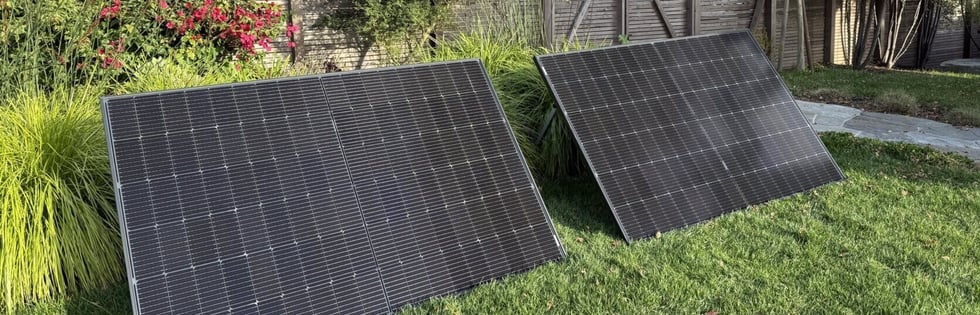
Plug-in solar, also known as balcony or backyard solar, refers to a solar system that can plug into a standard 120V outlet in your home or apartment. A plug-in solar system can be installed on the ground (in a backyard), alongside a fence or building, outside a window, or on a deck or balcony. A plug-in solar system ranges from 180 to 1,200 watts (W), or 1.2 kilowatts (kW), while a traditional rooftop system typically ranges from 7 to 15 kW. A plug-in system kit usually includes 1-4 solar panels, a microinverter, and connector cables, and can even be paired with a battery to maximize the energy generated from the plug-in solar system.

plug-in solar panels (Bright Saver)


A More Accessible Path to Solar

Plug-in solar is a more equitable and affordable option for those who cannot access rooftop solar for whatever reason. Although it is smaller in size and production, its size makes it a cheaper alternative that is treated like a standard appliance, making it viable for renters and homeowners alike. This reduces the financial barrier to entry that is often associated with solar, as a rooftop system easily costs thousands of dollars, compared to a plug-in system costing hundreds of dollars.

Plug-in solar can also offer a short payback period in states like Massachusetts and Rhode Island that have higher rates of electricity. In these markets, the payback period is expected to be less than three years, compared to an average of 5 years in other regions of the country.

The technology is especially promising for renters because, unlike rooftop solar, it is portable, so renters can take their systems with them when they move. By reducing both financial and structural barriers to participation, plug-in solar can help expand access to the benefits of solar energy to households that have often been left out of the rooftop solar market.


How does it work?

The energy generated by the solar system goes directly into the household wiring, allowing other appliances to draw from that energy. Because the home uses power from the plug-in solar system first, it draws less electricity from the grid, which lowers the household's electric bill. For a 360 W system, households can expect to see $100-$150 in annual savings (Bright Saver). The best way to fully utilize the generated energy is by combining the system with a small battery.

For example, if someone installs an 800 W system but does not have the energy consumption during peak solar generation hours to use that energy (e.g., they work at the office and their energy consumption during the day equals their baseload), they lose out on that energy. If they had a battery system, that excess energy could be stored and used when their consumption increases, such as when they return home. Combining the two technologies together would provide the most benefits and increase resiliency.


Concerns About Safety

As an emerging technology in the United States, safety is at the forefront of plug-in solar. Plug-in solar systems are designed with built-in microinverters that automatically shut the system down within milliseconds of a power outage, helping protect both consumers and utility line workers from electrical hazards. Note that if you couple the plug-in solar with a battery and there is a grid outage, you can use the power stored in the battery until it runs out.

State plug-in solar laws require systems to be certified by a nationally recognized testing laboratory (NRTL), the same type of certification process used for many common household electrical products.

UL Solutions released a dedicated certification standard for plug-in solar photovoltaic systems, UL 3700, on December 11, 2025. While no plug-in solar systems in the U.S. have yet received UL or NRTL certification, certification criteria and other safety practices continue to develop. Proposed and emerging safety measures include specialized plugs and receptacles designed specifically for plug-in solar. As with any electrical device, users should follow common-sense safety practices, including not bypassing circuit breakers or overloading circuits. When properly designed, installed, certified, and used in accordance with applicable safety standards, plug-in solar can be safely integrated into the home, much like other common household electrical appliances.


Plug-in Solar Legislation

Plug-in solar is not currently illegal. It is, however, subject to the same requirements as rooftop solar despite their differences in size and capabilities. These requirements create unnecessary barriers, mainly costs, to plug-in solar, which is intended to be a more accessible pathway to solar, as these systems are significantly smaller than the traditional rooftop solar installations that require these procedures.

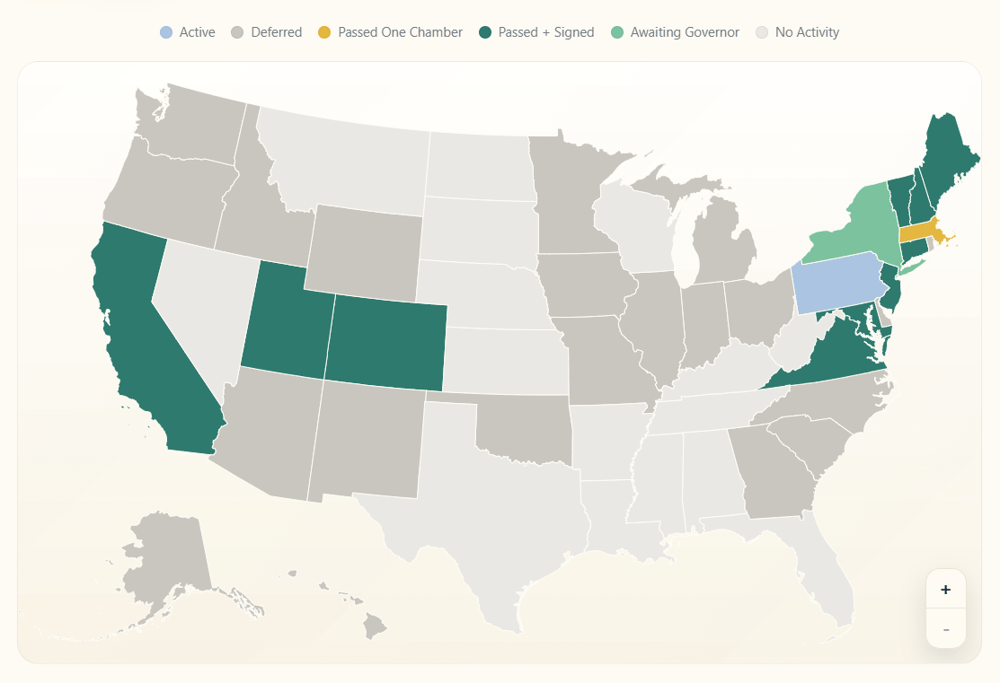
Plug-in solar legislation removes unnecessary requirements, such as interconnection agreements. Laws have been passed in 11 states, and three states have legislation pending, including Massachusetts. Plug-in solar legislation typically addresses four things:

  1. Defining a plug-in solar system

  2. Establishing basic safety requirements

  3. Exempting plug-in systems from net metering and interconnection requirements

  4. Prohibiting any fees or additional equipment requirements for a plug-in solar system

The legislation ensures that plug-in solar is accessible, not subject to unnecessary requirements, and provides clarity for consumers and public entities alike.

plug in solar legislation map - bright saver

 Source: Bright Saver, Plug-in Solar Legislation Tracker


What is the Current status of plug-in solar?

As it stands, the availability of plug-in solar systems is limited. However, we anticipate that the market will develop and that several models will soon become available as legislation continues to pass.

Here at Green Energy Consumers Alliance, we are committed to educating consumers and expanding access to clean energy technologies. We are working on a pilot project funded by the Massachusetts Clean Energy Center with Bright Saver and Boston Housing Authority to distribute plug-in solar systems to low- and moderate-income (LMI) Boston residents, as well as two demonstration sites at community centers in Boston. Bright Saver is a national non-governmental organization focused on pioneering the deployment of affordable plug-in solar, and Boston Housing Authority is a housing provider in Boston with a civic mission to provide quality affordable housing to thousands of LMI households.

plug-in solar logos

Beyond this initial pilot, we intend to educate consumers about plug-in solar options and launch a group buy program for interested consumers in Massachusetts, and eventually Rhode Island once legislation passes there as well (we’re working on it). If you are interested in staying up to date on plug-in solar developments or participating in a group buy program, please fill out our interest form!

Plug-in solar has the potential to expand access to solar power for communities that have historically been left behind in the clean energy transition. We hope to see more states continue to advance policies that support the adoption of this technology, reduce unnecessary barriers, and make solar more accessible to consumers.


Comments