

This 2026 Rhode Island legislative session will likely wrap up on June 12th. The House amended budget was released last Friday, and both chambers are working to pass it quickly. We have been tracking two important pieces of legislation all session: The Fiscal Year 2027 Budget and building decarbonization legislation. Both are critical for the state to maintain and potentially hasten our current trajectory of emissions reductions to meet the mandates in the Act on Climate.
Original Budget Proposal
This January, Governor McKee released a budget for the upcoming fiscal year that proposed drastic cuts to existing clean energy and energy efficiency programs. This budget included:
Solar provisions
-
Adding a “grid access fee” for solar developments greater than 1 megawatt;
-
Lowering the total amount of renewable energy projects that could be enrolled in the virtual net metering program from 275 MW alternating current to 125 MWac; and
-
Adjusting the compensation structure for virtual net metering projects to the wholesale electricity rate
Renewable Energy Standard (RES)
-
Pushing out the 100% Renewable Energy Standard (RES) by 17 years;
-
Adding large-scale hydro and nuclear as resources that count for RES compliance; and
-
Lowering the alternative compliance payment, paid if an entity is noncompliant with the RES, from $50.00 (indexed to inflation) to $40.00 for new renewable resources and $11.00 for existing renewable resources
Energy Efficiency
-
Cap energy efficiency program budgets at $75 million annually
Each of these provisions was in pursuit of “energy affordability” but would trade small bill savings for long-term dependence on fossil fuels. This is especially concerning as the Act on Climate requires net-zero emissions by 2050, and because the cost of fossil fuels like methane gas is projected to keep rising in the coming years. Slashing clean energy programs intended to help Rhode Islanders lower their energy consumption and transition the state to renewable energy resources will only slow the transition to electrification and keep residents reliant on costly and polluting fossil fuels.
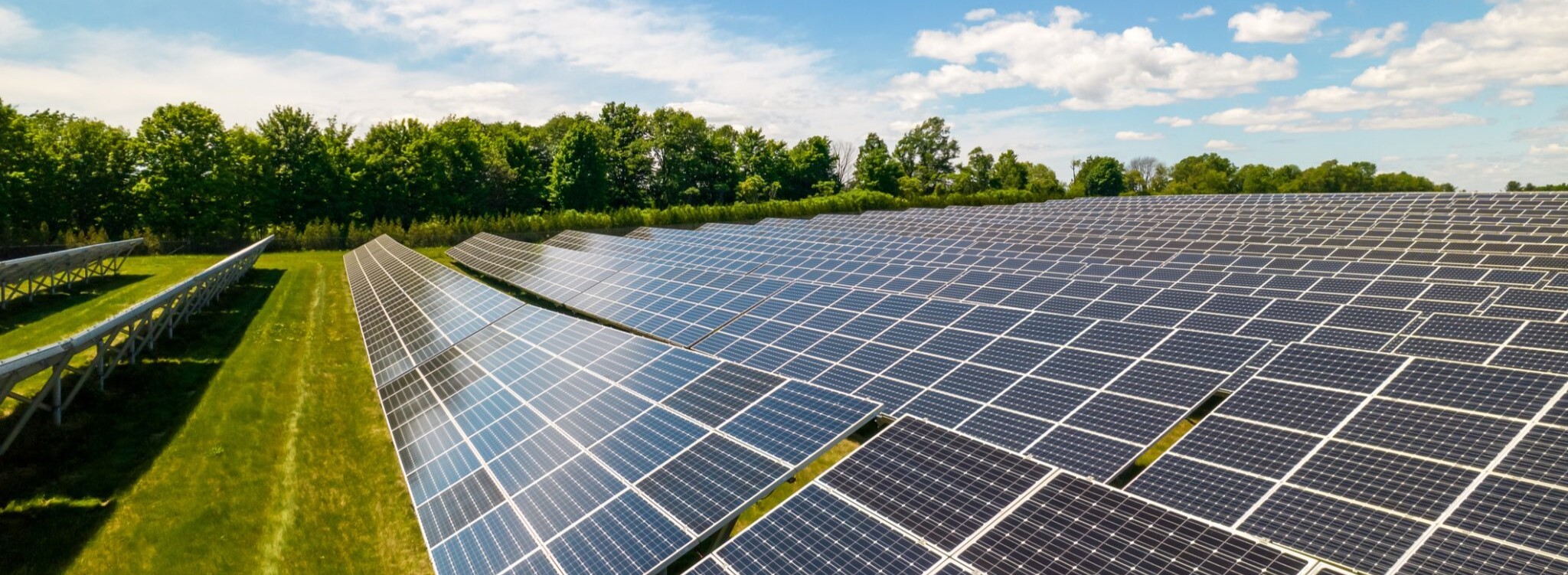
House Amended Budget
After several months of conversations with legislative champions, advocates, and industry voices, Representative Lauren Carson (District 75, Newport) introduced a bill (H8519), co-sponsored by former Speaker of the House Joe Shekarchi. This bill stood up to the original budget proposal and kept the 100% by 2033 Renewable Energy Standard in place. It did relax other provisions of the existing law, such as increasing the amount of existing renewable resources (pre-1997 resources) that can count towards compliance.
Ultimately, the House amended budget that was released on May 29th incorporated many, but not all, of the provisions in Rep. Carson’s legislation. The House budget is far better on climate and clean energy investment than the governor’s proposed budget.
The amended budget would:
Solar Provisions
-
Eliminate the grid access fee for solar proposed by the governor
-
Lowers the cap on virtual net metering projects to 175MWac; and
-
Proposes new contract-based compensation structure for virtual net metering projects.
Renewable Energy Standard (RES)
-
Keep the RES at 100% renewable or zero-emissions resources by 2033, but allow for greater procurement of existing resources;
-
Lower the Alternative Compliance Payment to $40.00 for new renewable resources and $11.00 for existing renewables; and
-
It would also require that the PUC produce a study on the RES and recommendations for the creation of an intervenor compensation program.
-
Note: Intervenor compensation is a type of program that can help fund those who wish to participate in proceedings before the Public Utilities Commission.
-
Energy Efficiency
- The cap proposed by the governor has been eliminated.
To be clear, our preferred pathway was to retain the RES that currently exists. However, given the starting point of the governor's budget and the pressures facing legislators, the House amended budget has made much progress. This bill will ensure that Rhode Island’s electricity supply becomes cleaner over time and will support progress towards meeting the Act on Climate.
Benchmarking
Outside of the budget, our top legislative priority for the 2026 session is the Building Benchmarking and Reporting Act of 2026 (H7183/S2260). We've written about this legislation before, but all it would require is for large buildings to track and report their energy usage to a centralized database. This will allow building owners or the state to understand the emissions of these buildings, and ultimately how they reduce energy consumption.
When the Benchmarking bill was part of the Building Decarbonization Act, it passed the Senate during the 2024 legislative session, so we know the Senate is in support of legislation that would help reduce greenhouse gas emissions. We just need to make sure it gets a floor vote this year to pass the bill into law.
The City of Providence Leads the Way
The City of Providence has a benchmarking requirement in place called the Building Energy and Reporting Ordinance (BERO). This ordinance has been in place for almost three years, with great success.
We know benchmarking works, and we have a model to learn from in Providence. Now, the state must follow along and develop a benchmarking program that would be applicable statewide. Though the House amended budget takes a first step in creating a state facilities benchmarking program, we know more can and must be done to track emissions from our largest buildings. That is why we are urging legislators to also pass the Building Benchmarking and Reporting Act.

How To Take Action
To support the Building Benchmarking and Reporting Act, please call or email your senator, the Senate Housing and Municipal Government chair, and/or Senate President Lawson. You can use the following script to help draft your message:
“Hi Senator [], my name is [your name here], and I live in your district. I am calling to urge you to bring the Building Benchmarking and Reporting Act to the floor vote before the end of the session. To meet the Act on Climate, we must begin tracking emissions from our large buildings. The Building Benchmarking and Reporting Act will allow the state to follow the benchmarking example set by the City of Providence and track emissions statewide.”
President Lawson | Email: Sen-Lawson@rilegislature.gov | Phone: (401) 222-4901
Chair Bissaillon | Email: Sen-Bissaillon@rilegislature.gov | Phone: (401) 276-5563
To find your senator's contact information, check the voter registration portal here.
If you have any questions, email Tina@GreenEnergyConsumers.org.
Comments